
SUB CATEGORIES OF Water Filtration Systems
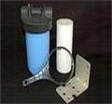
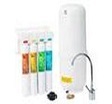
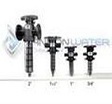


Industrial water treatment system is performed using various types of water filtration equipment.
Being one of the leading distributors of commercial water filtration and purification equipment, we at Cannon Water Technology, stock a broad range of water filtration equipment and systems in various configurations.
Types of Industrial Water Filtration Equipment Provided by Cannon Water Technology
We stock the following types of water filtration equipment:
- Centrifugal Water Separators: As the name suggests, centrifugal filtration equipment utilizes centrifugal action to separate water and compressed air. The separators are designed to spin or rotate the water in a way that creates a vortex, and this action causes the particulates to be slung towards the separator walls. When the particulate materials gain enough mass they fall into the bowl of the separator. The particles collect in the sump and are flushed out of the system by the drain valve.
- Inline Sand Filters: A large portion of water supply lines are infiltrated with sediments, silts, and sands. The sand may enter your water supply systems and clog them, thereby demanding immediate maintenance. This is where inline sand filters may help. These water filtration systems are designed to remove organic materials, sediment, and sand from water systems with no leaks.
- Reverse Osmosis: Reverse osmosis, also referred to as RO, is the process where water impurities are made to pass through a semi-permeable membrane and a filter. The filter and membrane help remove up to 99% of impurities including contaminants, bacteria, and toxic substances.
Tips to Tackle Water Contaminants with Advanced Filter Solutions
At Cannon Water Technology, we provide various types of advanced filter solutions that would help you tackle a wide range of contaminants as described below:
- Microorganisms: Most commercial water filtration systems are not designed to filter microbes. However, we recommend you use UV filters to remove microorganisms. A UV water purification system can remove 99.9 of microbes.
- Sediments: Sand, silt, and bigger particles can be effectively removed by using sediment filters.
- Chlorine: Activated carbon filters are most efficiently used to remove chlorine and improve taste.
- Heavy Metals: We recommend ion exchange or reverse osmosis filters to remove lead, mercury, and other metals.
- VOCs: Activated carbon filters help eliminate volatile organic compounds.
- Pesticides and Industrial Chemicals: For such pollutants, RO filters or activated carbon filters work wonders.
- Nitrates and Nitrites: Reverse osmosis or ion exchange filters help in reducing the nitrate levels.
How to choose the best commercial water filtration system for you?
There are a few factors to consider when choosing the best commercial water filtration system for your needs.
- Assess your water quality: Conduct a water quality test to determine the contaminants present in the water. You can use various devices and test strips to identify the presence of heavy metals, sediments, chlorine, bacteria, or chemicals in water.
- Analyze your water quality goals: For this, you need to understand the standards to meet the application requirements. Also, you need to understand the water quality goals, such as whether you need to improve the taste, reduce turbidity, increase clarity, and so on.
- Analyze your contaminant removal needs: This would depend on your water quality analysis. You can consider factors like sand and sediments, heavy metals, microbes, chemicals, and so on.
- Choose the right filtration technology: The contaminant removal analysis will help you choose the right filtration technology. For instance, you can use sediment filters for removing sediments; activated carbon filtration for removing chlorine and heavy metals; reverse osmosis for removing dissolved solids, salts, minerals, and so on; ion exchange for removing ions like calcium, heavy metals, magnesium, and so on.
- Analyze the flow rate and demand: After analyzing the right filtration technology, you must focus on factors like flow rate and demand. This would help you buy a commercial water filtration system that can handle your required water volume.
- Consider maintenance requirements: You must evaluate the maintenance requirements of your filtration system. For instance, some systems may require regular maintenance like periodic servicing and cleaning, whereas some may require filter replacements, and so on.
- Understand the operational costs: This is the sum of the lifespan of the equipment and its components, maintenance and replacements, and productivity. This understanding would help you make the right selection of commercial water filtration systems for your needs.
Why Choose Cannon Water Technology for Water Filtration Requirements
Today, we become one of the leading choices for water filtration equipment. The following features have contributed to our success.
- Comprehensive range of centrifugal water filtration systems, inline sand filters, and reverse osmosis systems from industry-leading brands.
- Fast shipping anywhere in the US or across the globe by postal service or UPS.
- Same-day shipping is assured on all in-stock items.
- All in-stock water filtration equipment possesses simple and well-engineered designs that contribute to their quick installation and reduce maintenance.
Applications Using Industrial Water Filtration Equipment
Our water filtration equipment find application in the following industries.
- Process Cooling
- Municipal Waterworks
- Chemical Plants
- Power Plants
- Industrial Refrigeration
- Heat Exchangers and Heat Pumps
In addition to water filtration equipment, we also provide chemical pumps and water treatment chemicals. An in-depth understanding of various water filtration requirements coupled with vast experience and a strong supply chain relationship allows us to deliver the right product at the right time.
Frequently Asked Questions on Industrial and Commercial Water Filtration Systems
1. Can I use any of these commercial water filtration systems in combination?
Yes, you can combine different commercial water filtration systems for effective results. For instance, you can use reverse osmosis and UV systems in combination to remove microbes and heavy minerals in water. You can also combine them with specific industrial water treatment technologies like ion exchange and chemical dosing to overcome different water treatment challenges in industrial and commercial processes.
2. I am using one of your commercial water filtration systems at my facility. Is that sufficient to meet the regulatory standards for water quality?
Using a commercial water filtration system is not enough to meet the regulatory standards of quality. In fact, you must proceed through steps like analyzing the water quality, using the right systems, documenting their maintenance and repair schedules, documenting the treatment processes performed, and so on to meet the regulatory standards for water quality.
3. Can I upgrade water filtration systems to meet the increased requirements?
Yes, you can upgrade your industrial water filtration systems to meet the increased water treatment needs.
4. Can any of your commercial or industrial filtration systems last beyond their recommended lifespan?
Most industrial and commercial water filters offered by us are designed for long-term performance. However, well-maintained systems can last longer than their recommended lifespan.